





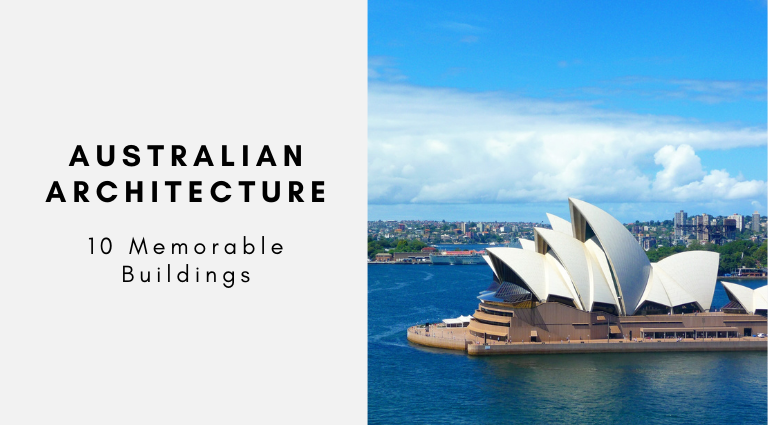
From bold modernist landmarks to cultural icons, Australian architecture reflects a country shaped by different eras, landscapes and design influences. Across Sydney, Melbourne, Canberra and beyond, these buildings show just how diverse Australian design can be.
Here are 10 buildings worth knowing, and seeing, for their architecture, history and visual impact.
SEE ALSO: THE 15 MOST EXPENSIVE RESTAURANTS IN THE WORLD

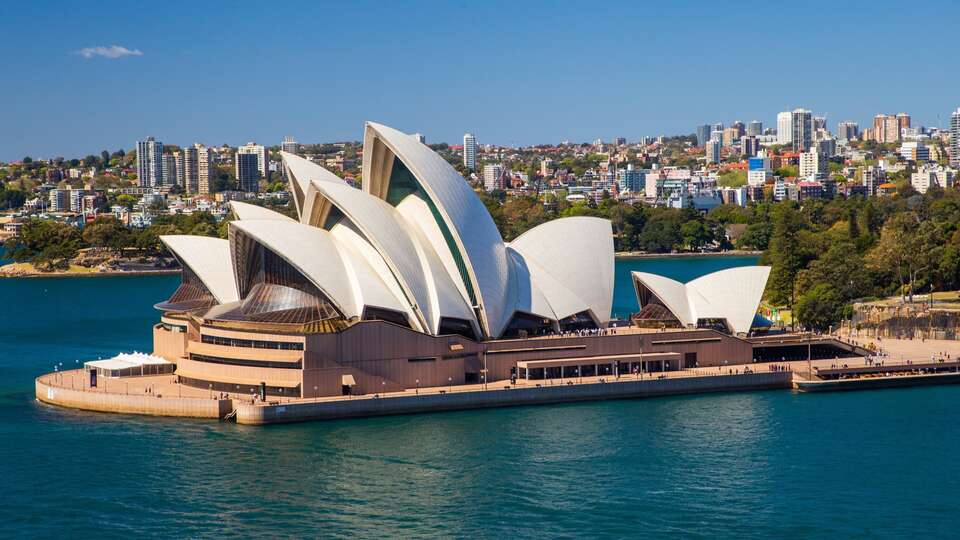
Sydney Opera House – Sydney
Designed by Jørn Utzon and opened in 1973, the Sydney Opera House is Australia’s most recognisable architectural landmark. Its sculptural roof shells, harbour setting and innovative engineering made it a defining work of 20th-century architecture.
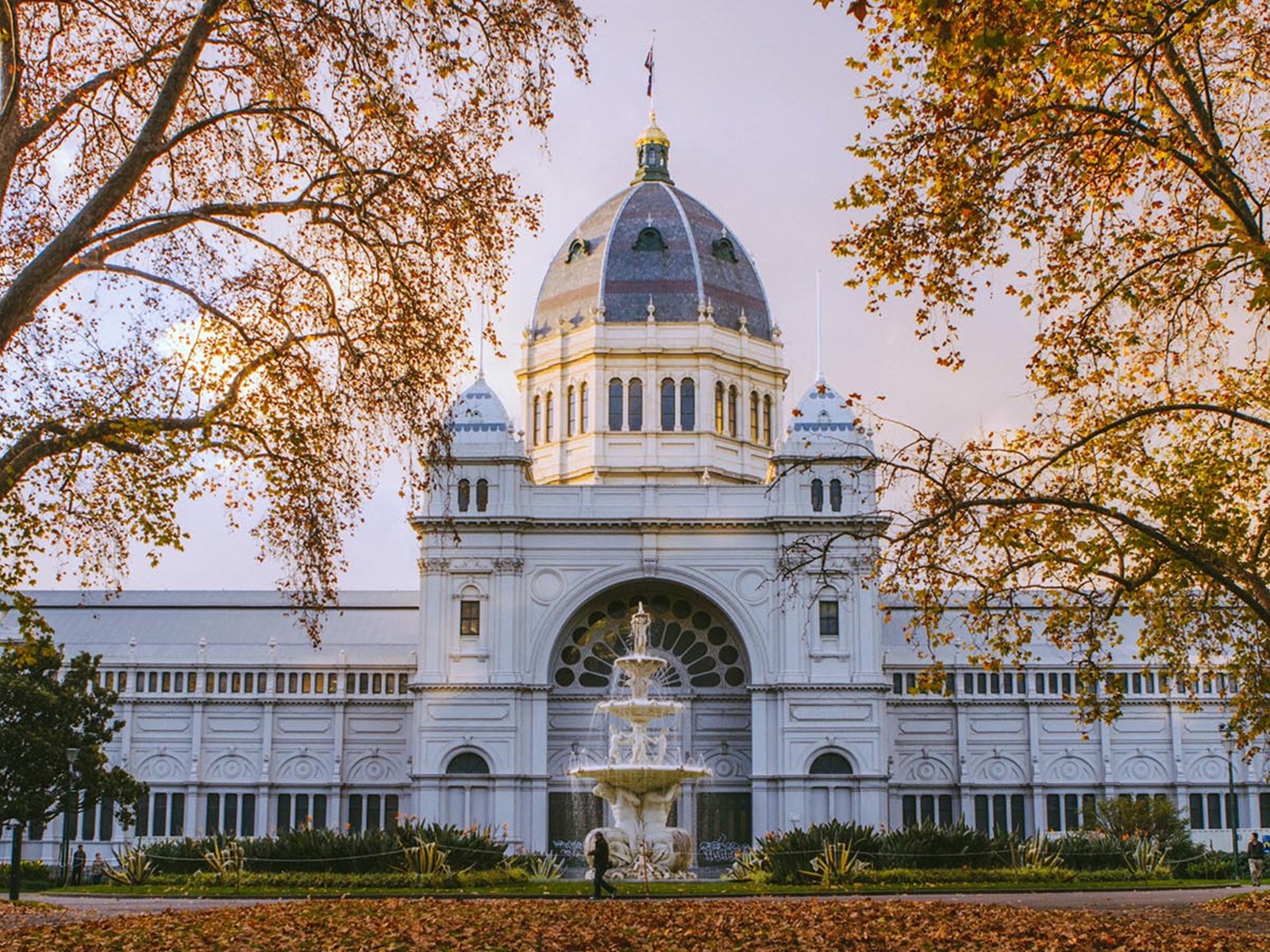
Royal Exhibition Building – Melbourne
Completed in 1880, the Royal Exhibition Building is one of Australia’s most important historic buildings. Its grand dome, exhibition halls and Beaux-Arts influences make it a striking contrast to Melbourne’s more contemporary architecture. It is also Australia’s first World Heritage-listed building.
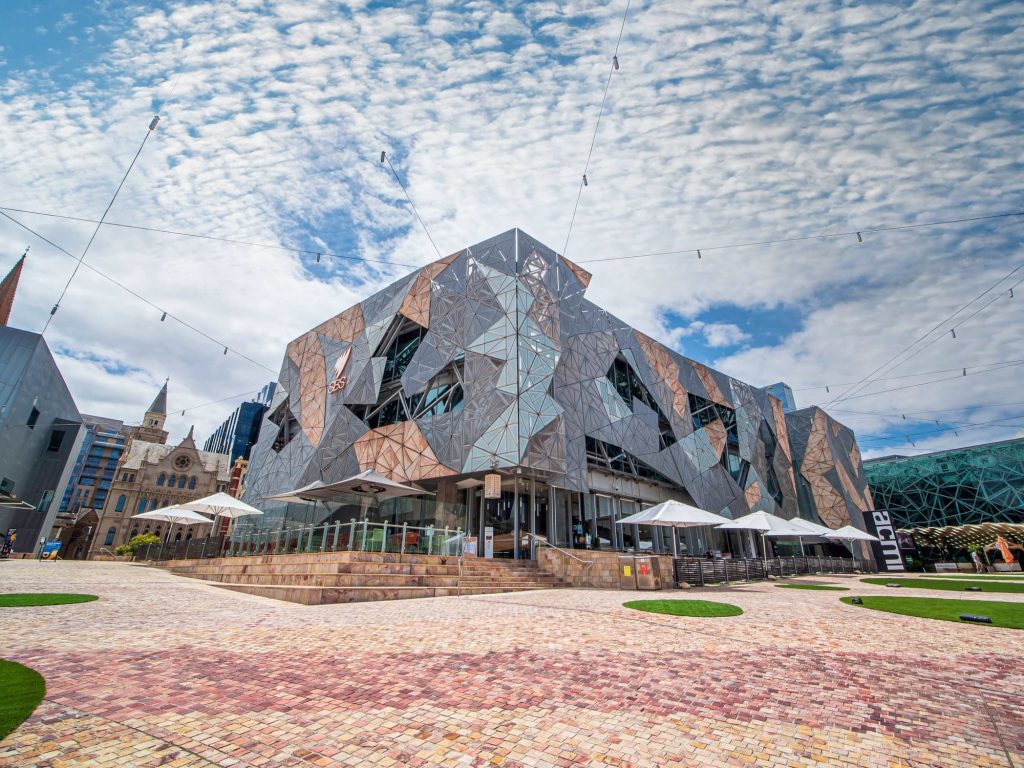
Federation Square – Melbourne
Love it or question it, Federation Square is impossible to overlook. Its angular geometry and distinctive façade transformed a central Melbourne site into a major cultural and public destination, making it one of Australia’s most recognisable contemporary architectural projects.
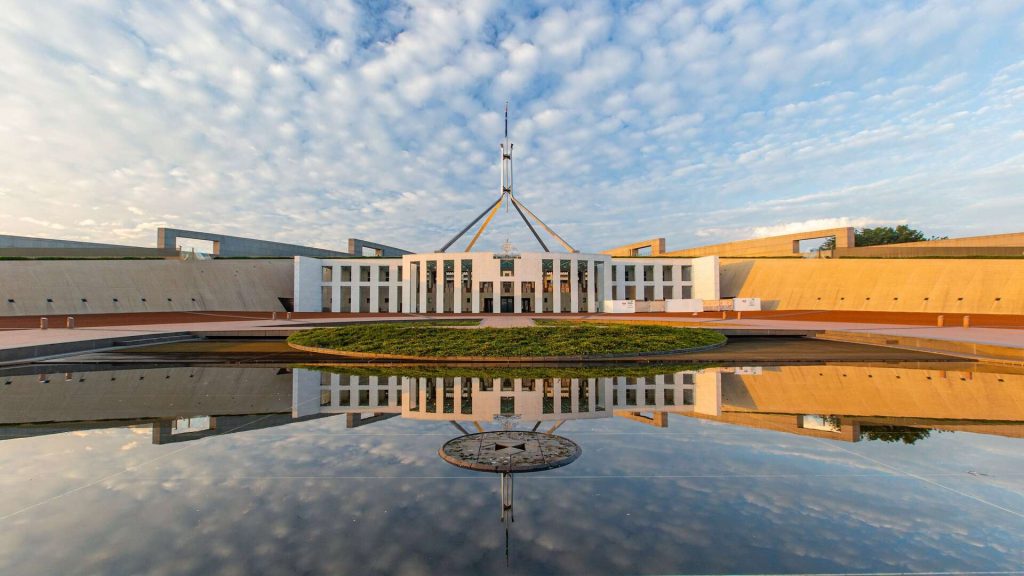
Parliament House – Canberra
Built into Capital Hill, Parliament House was designed by Mitchell/Giurgola & Thorp and opened in 1988. Its architecture was conceived to connect the building with the landscape rather than simply dominate it, a particularly Australian approach to civic design.
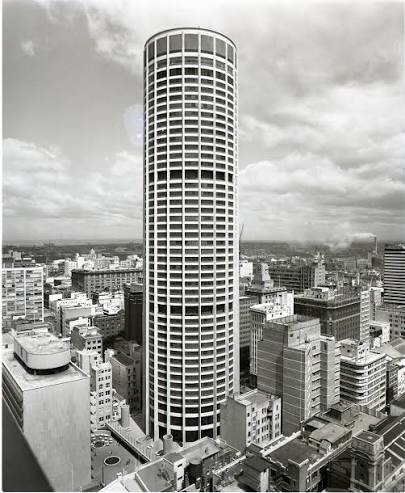
Australia Square – Sydney
Designed by Harry Seidler with Pier Luigi Nervi, Australia Square became a landmark of Australian modernism when it opened in 1967. Its circular tower, geometric forms and integrated public space remain an important part of Sydney’s architectural identity.
MONA – Hobart
The Museum of Old and New Art takes a very different approach. Partly hidden within the landscape beside the Derwent River, MONA combines monumental architecture with an intentionally unconventional museum experience. It remains one of Australia’s most distinctive cultural spaces.

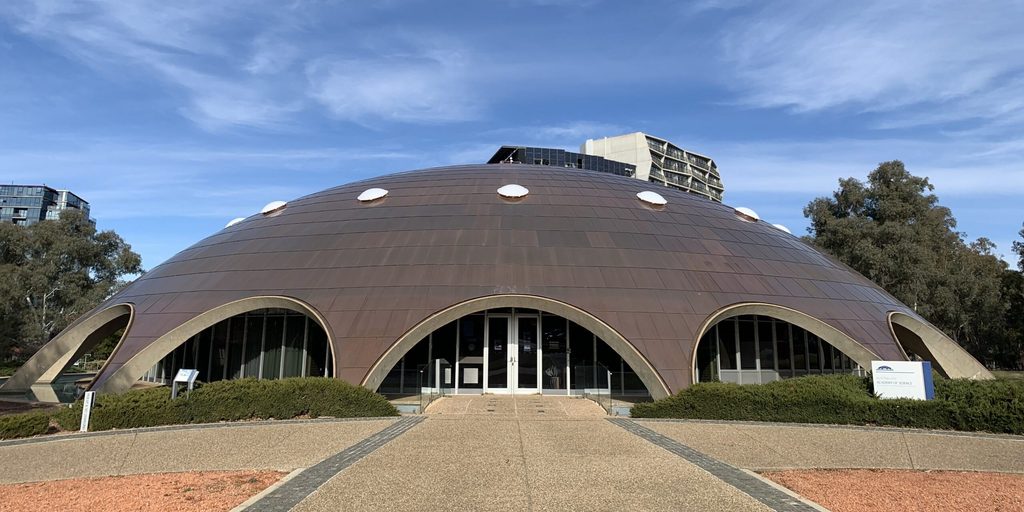
Shine Dome – Canberra
With its futuristic dome and unusual structural form, the Shine Dome is one of Canberra’s most recognisable buildings. Originally designed as Becker House, it is a memorable example of structuralist architecture and a strong reminder that Australian modernism was not limited to the major coastal cities.
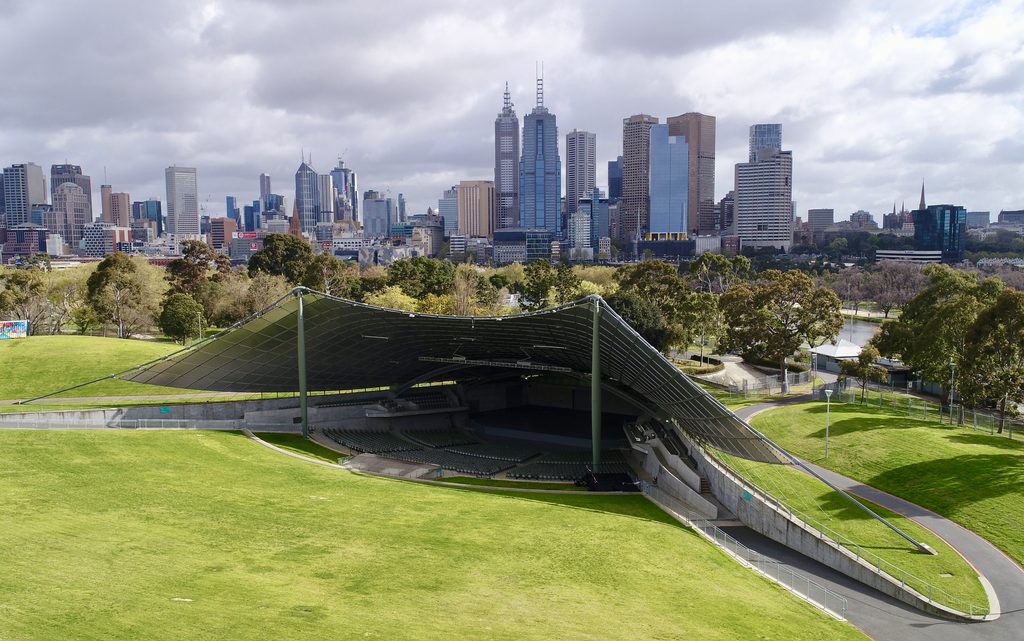
Myer Music Bowl – Melbourne
Opened in 1959, the Sidney Myer Music Bowl introduced a new scale of outdoor performance architecture to Melbourne. Its sweeping canopy and expressive structure make it an especially interesting example of mid-century Australian design.
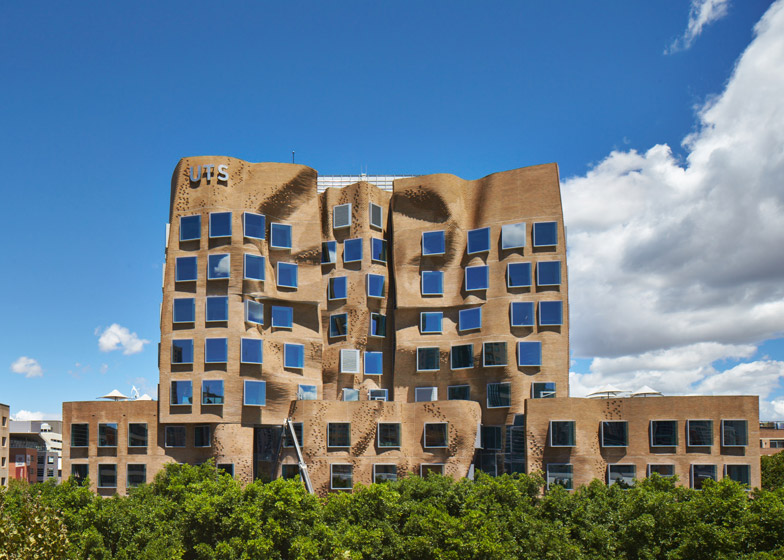
UTS Business School – Sydney
Designed by Frank Gehry, the UTS Business School brings a much more experimental language to Sydney’s architectural landscape. Its fragmented, folded façade has become one of the city’s most recognisable contemporary university buildings.
Quay Quarter Tower – Sydney
Quay Quarter Tower offers a contemporary take on adaptive architecture. Rather than replacing the existing tower completely, the project transformed and extended the structure, creating a new silhouette while retaining much of the original building. It represents a more resource-conscious direction for contemporary Australian architecture.

READ MORE: FAMOUS INTERIOR DESIGNERS SHAPING DESIGN IN 2026
WE HOPE YOU LIKED OUR ARTICLE ON AUSTRALIAN ARCHITECTURE: 10 MEMORABLE BUILDINGS. YOU CAN ALWAYS FOLLOW US ON THE GO! FIND US ON PINTEREST AND SHARE YOUR THOUGHTS WITH US!